






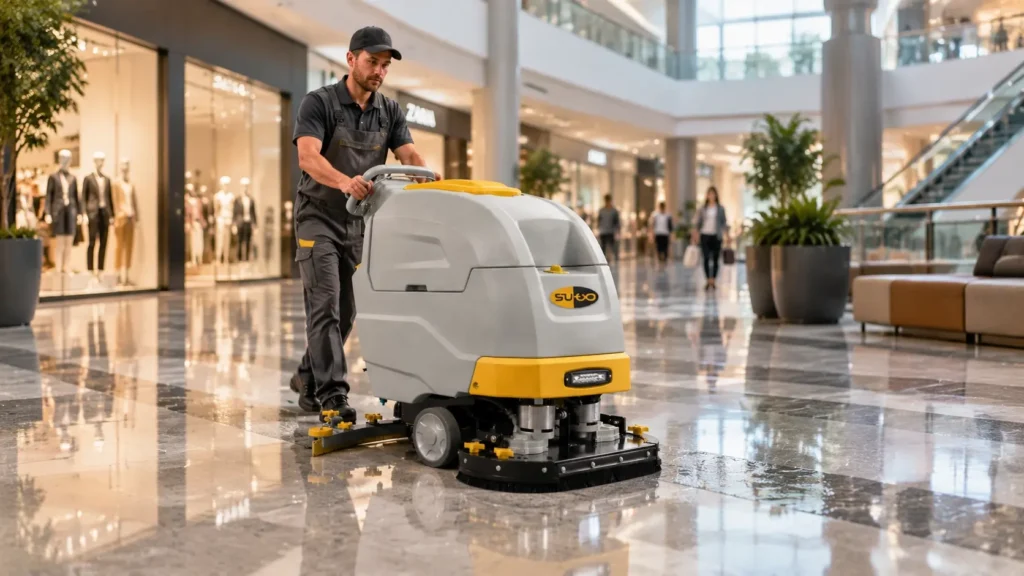
Why Consider Second Hand Floor Cleaning Machines?
For facility managers, cleaning contractors, and business owners, keeping floors spotless is a non-negotiable part of daily operations. But new industrial scrubbers, sweepers, and burnishers come with steep price tags. That’s exactly why more buyers are turning to second hand floor cleaning machines as a practical way to stretch their equipment budget.
A well-maintained used scrubber dryer or ride-on sweeper can deliver 80–90% of the performance of a new unit at a fraction of the cost. The key is knowing where to look, what to inspect, and how to calculate the true price of ownership beyond the initial purchase.
This guide walks you through the entire process, from sourcing to inspection and long-term cost planning.
Where to Source Reliable Used Floor Cleaning Equipment
Finding quality second hand floor cleaning machines requires a bit more effort than ordering a new model from a catalog. You have several solid options.
Authorized Dealers and Refurbishers
Many major brands, including Tennant, Nilfisk, Karcher, and Advance, have dealer networks that sell certified pre-owned equipment. These machines often come with:
- Inspection reports
- New or reconditioned batteries
- Short warranties (typically 30–90 days)
- Service history documentation
This is the safest route. You pay a bit more than you would buying privately, but the reduced risk is usually worth it.
Online Marketplaces and Auctions
Platforms like eBay, Facebook Marketplace, and industrial auction sites often list used floor machines at lower prices. The trade-off is that you take on more risk.
Before you bid or make an offer, ask the seller direct questions:
- What is the machine’s age and total operating hours?
- When was the last service?
- Are there any known faults or parts that need replacing?
- Can I see it running a full cycle?
Ex-Rental and Lease Return Fleets
Rental companies rotate their fleets on a regular schedule. When a machine reaches a certain number of hours, they sell it off and replace it. These units are generally well-maintained because downtime costs rental companies money. Ex-rental equipment is often a sweet spot for buyers who want reliability without the premium price of a certified refurb.
Inspection Checklist Before You Buy
Never buy a used floor cleaner sight unseen. Even with a reputable seller, you need to go through a consistent inspection routine.
Battery Health (For Cordless Machines)
Batteries are often the most expensive consumable on a floor scrubber or sweeper. A machine priced at $4,000 can suddenly cost $7,000 if the battery pack needs immediate replacement.
Ask to see:
- Battery age (most lead-acid batteries last 3–5 years)
- Voltage readings on each individual cell
- Signs of swelling, corrosion, or leaking
- Whether the charger is included and functioning
Brush Deck and Squeegee Assembly
The heart of a scrubber is the brush deck. Check for:
- Excessive wear on brushes or pad drivers
- Cracks or bends in the deck housing
- Proper brush pressure adjustment
- Squeegee blade condition (blades are cheap, but damaged assemblies are not)
Vacuum and Recovery Tank
Turn the machine on and test the vacuum motor. A weak vacuum usually means a clogged filter, a cracked hose, or a failing motor. Check the recovery tank for:
- Standing water or sludge (a sign of poor cleaning)
- Cracks or repairs
- Proper sealing around the lid
Drive System and Controls
Ride-on machines need a test drive. Listen for grinding or whining from the drive motor. Test forward and reverse at full speed. Confirm that switches, displays, and safety features all respond correctly.
Frame and Chassis Condition
Surface rust is cosmetic, but deep pitting or structural corrosion is a red flag. Look underneath the machine, especially around wheel mounts and the solution tank supports.
Understanding the Total Cost of Ownership
The purchase price is only one part of the equation. Savvy buyers calculate total cost of ownership before committing to any used equipment.
Immediate Repair and Replacement Costs
Create a simple cost table:
| Component | Typical Replacement Cost | When to Expect |
|---|---|---|
| Batteries | $1,500–$4,000 | Every 3–5 years |
| Squeegee blades | $50–$200 | Every 6–12 months |
| Brushes/pads | $100–$400 | Every 3–6 months |
| Vacuum motor | $300–$800 | 3–7 years |
| Drive motor | $800–$1,500 | Rarely, but costly |
If the machine needs two or more major components immediately, factor those into your offer.
Parts Availability
Older machines from discontinued lines can become money pits if spare parts are hard to source. Before buying, check whether the manufacturer or aftermarket suppliers still stock common wear parts and motors for that specific model.
Service and Support
Ask yourself: who will service this machine when something breaks? If you don’t have an in-house technician, check whether local service providers are willing to work on that brand and model. Some independent shops will not touch older or obscure equipment.
Expected Lifespan
A quality industrial scrubber can run 7–10 years or more with proper care. If you’re buying a machine that is already 6 years old, expect to get another 2–4 years before major components start failing. That’s fine if the price reflects it.
Final Thoughts
Second hand floor cleaning machines offer excellent value when you take the time to source carefully and inspect thoroughly. The best deals usually come from authorized refurbishers, ex-rental fleets, and sellers who can provide service records.
Stick to the inspection checklist, factor in realistic replacement costs, and always test the machine under real working conditions before handing over any money. With a methodical approach, you can keep your floors spotless without blowing your entire budget on a brand-new unit.