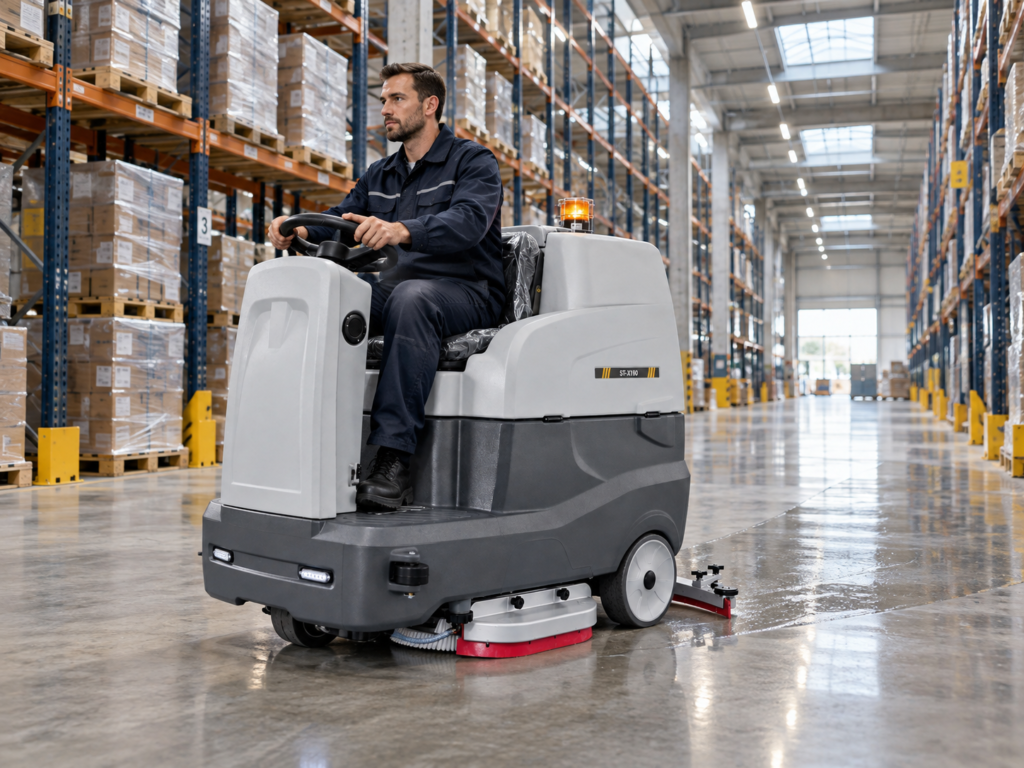
آلات تنظيف الأرضيات الصناعية المصممة للتنظيف المكثف

أظهر أداءً متميزًا حيثما يكون ذلك أكثر أهمية

صُممت خصيصًا لتتحمل أقسى الظروف الصناعية. فهي قوية وموثوقة، ومصممة للحفاظ على نظافة منشأتك وأمانها يومًا بعد يوم.

بنية متينة

مدة تشغيل طويلة وكفاءة عالية

سهولة التشغيل والصيانة

آمنة ومريحة للمشغلين

X160 floor scrubber banner

ما هي آلة تنظيف الأرضيات الصناعية؟

آلة تنظيف الأرضيات الصناعية هي آلة تنظيف احترافية مصممة لتطبيقات تنظيف الأرضيات واسعة النطاق والمتطلبة في البيئات الصناعية. وعلى عكس طرق التنظيف اليدوية التقليدية، تجمع آلات تنظيف الأرضيات الصناعية بين عمليات تنظيف متعددة، بما في ذلك الفرشاة، وتوزيع الماء، وجمع الأوساخ، وتجفيف الأرضيات، في عملية واحدة.

تُستخدم هذه الآلات على نطاق واسع في المستودعات، ومنشآت التصنيع، ومراكز الخدمات اللوجستية، وورش السيارات، وغيرها من المساحات التجارية الكبيرة التي تتطلب كفاءة عالية في التنظيف ونتائج متسقة.

بفضل أنظمة الفرش القوية، وخزانات المياه ذات السعة الكبيرة، والهياكل المتينة، تساعد آلات تنظيف الأرضيات الصناعية الشركات على خفض تكاليف العمالة، وتحسين أداء التنظيف، والحفاظ على بيئات عمل أكثر أمانًا.

كيف تعمل آلة تنظيف الأرضيات الصناعية؟

تعمل آلة تنظيف الأرضيات الصناعية من خلال الجمع بين تقنية التنظيف الميكانيكي وتقنية التجفيف بالشفط. وأثناء التشغيل، تنفذ الآلة ثلاث خطوات تنظيف رئيسية:

توزيع الحلول

يتم ضخ الماء النظيف والمنظف إلى منطقة التنظيف بالفرشاة لإزالة الأوساخ والشحوم والبقع.

Heavy Duty Aluminum Alloy Brush Deck

توزيع الحلول

يتم ضخ الماء النظيف والمنظف إلى منطقة التنظيف بالفرشاة لإزالة الأوساخ والشحوم والبقع.

Floor Scrubber Not Picking Up Water

استخلاص المياه والتجفيف

بعد عملية الفرك، يقوم نظام الشفط المدمج بجمع المياه المتسخة من الأرضية ونقلها إلى خزان التجميع.

وهذا يجعل الأرضية أنظف وأكثر جفافًا، مما يقلل من مخاطر الانزلاق ويسمح باستئناف الاستخدام في تلك المناطق بسرعة.

أنواع آلات تنظيف الأرضيات الصناعية

تتوفر آلات تنظيف الأرضيات الصناعية بتصميمات مختلفة وفقًا لمتطلبات التنظيف.

X40 industrial Walk behind floor scrubber

آلات تنظيف الأرضيات الصناعية التي يتم دفعها يدويًّا

تُعد آلات تنظيف الأرضيات التي يتم تشغيلها يدويًّا مناسبة للمناطق الصناعية متوسطة الحجم التي تُعد فيها المرونة وسهولة التشغيل من العوامل المهمة.

المزايا:

  • تصميم مدمج
  • سهولة المناورة
  • مناسبة للممرات الضيقة
  • تكلفة استثمار أقل

التطبيقات:

  • المستودعات
  • ورش العمل
  • المدارس
  • المرافق التجارية
X70 industrial Ride-on floor scrubber

آلات تنظيف الأرضيات الصناعية ذات المقعد

صُممت آلات تنظيف الأرضيات ذات العجلات للمرافق الكبيرة التي تتطلب أقصى درجات الإنتاجية.

المزايا:

  • كفاءة تنظيف أعلى
  • مدة تشغيل أطول
  • تجربة مستخدم مريحة

التطبيقات:

  • المستودعات الكبيرة
  • المصانع
  • مراكز التوزيع
  • المطارات
Floor scrubber sweepers

آلة تنظيف وفرك الأرضيات الصناعية

نظام 3 في 1 للكنس والفرك والتجفيف

الـ آلة تنظيف وفرك الأرضيات الصناعية تجمع بين الكنس والفرك واستعادة المياه في عملية تنظيف واحدة فعالة. تعمل الفرشاة الجانبية المزدوجة على جمع الغبار والحطام والقمامة من مسار تنظيف واسع، بينما يزيل نظام الفرك الأوساخ والبقع العنيدة من الأرضية. وفي الوقت نفسه، يعمل نظام الشفط القوي على استرداد المياه المتسخة، تاركًا السطح نظيفًا وجافًا في مسيرة واحدة. وقد صُمم هذا الجهاز للمساحات التجارية والصناعية الكبيرة، وهو مثالي لـ المصانع، والمستودعات، ومراكز الخدمات اللوجستية، ومواقف السيارات، وورش العمل، وغيرها من المنشآت الكبيرة, ، مما يساعد على تقليل وقت التنظيف وتكاليف العمالة.

مصممة بشكل مختلف. مصممة لتدوم.

صُممت تقنيتنا المخصصة للاستخدامات الشاقة لتتحمل الصدمات والتآكل والتشغيل المتواصل.

هيكل متكامل من سبائك الألومنيوم

يتميز الهيكل المصنوع من قطعة واحدة من الألومنيوم بقوة استثنائية مع وزن خفيف. وهو مقاوم للتآكل ومصمم لتحمل الأحمال الثقيلة.(لماذا هيكل من قطعة واحدة مصنوع من الألومنيوم؟)

Powerful AC drive motor and industrial

درجة صناعية نظام الدفع

يضمن محرك التردد المتغير القوي ونظام التحكم الصناعي أداءً مستقرًا حتى في حالة التشغيل المستمر.

1. Full or Clogged Recovery Tank The recovery tank is where all dirty water is stored after cleaning. It is the most common culprit when a floor scrubber is not picking up water. Most users overlook tank capacity limits, leading to zero suction during operation. When the recovery tank reaches its maximum fill line, the float valve inside closes automatically to prevent water overflow. This shuts off the entire vacuum suction system instantly, leaving all cleaning water on the floor. Additionally, debris, hair, and dirt buildup inside the tank can block airflow and weaken suction power. Quick Fixes: •Turn off the machine and empty the recovery tank completely before resuming cleaning •Rinse the tank thoroughly with clean water to remove stuck dirt and debris •Check and clean the float valve to ensure it moves freely without jamming 2. Worn, Dirty, or Misaligned Squeegee Blade The squeegee blade is responsible for sweeping floor water into the vacuum suction path. If this component is faulty, your floor scrubber cannot collect water effectively, even with strong vacuum power. Over time, squeegee blades wear down, develop cracks, or become coated with grime and floor wax residue. A dirty or worn blade cannot form a tight seal with the floor surface, allowing water to escape and remain on the ground. Misaligned squeegee height is another frequent issue—if the blade is too high off the floor, it cannot capture water; if too low, it folds over and loses contact. Quick Fixes: •Wipe the squeegee blade with a damp cloth to remove all dirt, wax, and debris buildup •Inspect the blade for cracks, tears, or uneven wear; replace it immediately if damaged •Adjust the squeegee height according to the manufacturer’s manual for full floor contact 3. Clogged Vacuum Hose or Nozzle The vacuum hose and front suction nozzle act as the passage for dirty water and air flow. Hair, carpet fibers, food debris, and large dirt particles often get trapped inside these parts, blocking the suction pathway entirely. Partial clogs cause weak water pickup, while full clogs result in your floor scrubber picking up no water at all. Many users forget to clean the vacuum system regularly, leading to recurring suction failures. Quick Fixes: •Disconnect the vacuum hose from both the recovery tank and squeegee assembly •Use a long brush or high-pressure water to flush out trapped debris inside the hose •Clean the suction nozzle opening thoroughly to remove any surface blockages •Check for hose kinks or bends that restrict air and water flow 4. Damaged or Loose Vacuum Seals & Gaskets Floor scrubbers rely on airtight seals to generate strong vacuum suction. Loose, cracked, or missing gaskets and seals on the recovery tank lid, hose connections, and vacuum chamber cause air leaks. Even a small air leak can drastically reduce suction power, making the machine unable to pick up floor water. These rubber seals degrade over time due to frequent use, chemical cleaning solutions, and temperature changes. A loose tank lid is also a common user error that breaks the airtight vacuum system. Quick Fixes: •Check all tank lid seals and hose connection gaskets for cracks, wear, or misplacement •Tighten all hose fittings and ensure the recovery tank lid is fully locked and sealed •Replace worn rubber gaskets and seals to eliminate air leaks 5. Weak or Faulty Vacuum Motor If all external components are clean and intact but your floor scrubber still won’t pick up water, the vacuum motor may be the issue. The vacuum motor generates the suction force needed to pull water into the recovery tank. A weakened motor produces low suction, while a burnt-out or faulty motor stops water pickup entirely. Common causes of motor damage include overheating from clogged filters, long-term overuse, and poor battery voltage. Quick Fixes: •Check the motor filter and clean or replace it to improve airflow and prevent overheating •Fully charge the machine battery to ensure the motor receives sufficient voltage •Contact a professional technician to test or replace a damaged vacuum motor 6. Insufficient Battery Power or Low Voltage Most battery-powered floor scrubbers lose suction performance as battery voltage drops. A low battery cannot supply enough power to the vacuum motor, resulting in weak water pickup even if all parts are functional. This issue is especially common during long cleaning sessions or with aging batteries that no longer hold a full charge. Many users assume the machine is broken when it simply needs a full recharge. Quick Fixes: •Power off the scrubber and charge the battery completely before using it again •Avoid using the machine when the battery level is below 30% •Replace aging batteries that fail to hold a full charge 7. Incorrect Cleaning Operation & Speed User error is often overlooked when troubleshooting floor scrubber water pickup issues. Operating the machine too fast does not give the squeegee and vacuum system enough time to collect water, leaving residual liquid on the floor. Using excessive cleaning solution or water also overloads the suction system, making it impossible for the scrubber to pick up all moisture in one pass. Quick Fixes: •Slow down cleaning speed to match the machine’s suction capacity •Reduce the amount of cleaning solution and water dispensed during operation •Make a second dry pass over wet areas to remove residual water 8. Clogged or Dirty Vacuum Filter Floor scrubber vacuum filters trap fine dust and debris to protect the motor. When the filter is clogged with dirt, airflow is restricted, which directly weakens suction power and stops effective water pickup. Many users skip regular filter cleaning, leading to gradual suction decline over weeks and months of use. Quick Fixes: •Remove the vacuum filter and tap off dry debris •Rinse reusable filters with clean water and let them air dry completely •Replace disposable filters regularly according to usage frequency How to Prevent Floor Scrubber Water Pickup Issues (Maintenance Checklist) Regular routine maintenance can eliminate 95% of floor scrubber not picking up water problems and extend your machine’s service life. Follow this simple daily and weekly checklist: •Daily: Empty and rinse the recovery tank; clean the squeegee blade; check for hose clogs •Weekly: Clean the vacuum filter; inspect seals and gaskets for wear; adjust squeegee height •Monthly: Flush the entire vacuum system; check battery health; replace worn squeegee blades FAQs About Floor Scrubber Not Picking Up Water Why is my floor scrubber leaving streaks of water? Water streaks are mainly caused by a dirty or worn squeegee blade, uneven squeegee adjustment, or partial vacuum hose clogs. Cleaning or replacing the squeegee and clearing blockages will fix streaking issues instantly. Can a full solution tank cause suction problems? No. The solution tank holds clean water and detergent and does not affect the vacuum suction system. Only a full recovery tank will stop water pickup. How often should I replace my floor scrubber squeegee? For commercial daily use, replace the squeegee blade every 3–6 months. For residential or occasional use, replace it every 12 months or once cracks and wear appear. Final Thoughts When your floor scrubber is not picking up water, there is no need for immediate professional repair. Start with the simplest fixes: empty the recovery tank, clean the squeegee, and check for hose clogs. Most suction issues are caused by minor maintenance oversights, not major mechanical failures. By following the troubleshooting steps and regular maintenance tips above, you can restore your floor scrubber’s full water pickup performance, keep floors dry and safe, and maximize your machine’s cleaning efficiency for years to come.

مجموعة ممسحة مخصصة للأعمال الشاقة

ممسحة سميكة ذات قوة شفط عالية تجفف الأرضيات على الفور، حتى على الأسطح الخشنة والمتسخة.

MOTOR DURABILITY TEST

اختبار متانة المحرك

يخضع كل محرك دفع ومحرك فرشاة لاختبارات مستمرة في ظروف قاسية لضمان استقرار خرج الطاقة، وموثوقية التشغيل، وعمر خدمة أطول في بيئات التنظيف التي تتطلب أداءً عاليًا.

NANO COATING TECHNOLOGY

تقنية الطلاء النانوي

نظام التحكم الداخلي محمي بطبقة نانوية مقاومة للماء، مما يوفر حاجزًا إضافيًا ضد الرطوبة والتعرض للماء والتآكل.

تساعد هذه الحماية المتطورة في الحفاظ على أداء كهربائي مستقر وإطالة العمر التشغيلي للمكونات الحيوية في البيئات الصناعية القاسية.

X160 Dual Brush industrial Ride-on floor scrubber Machine

ضمان لمدة 5 سنوات

صُممت آلات تنظيف الأرضيات الصناعية من SUTO لتوفير الموثوقية على المدى الطويل.
بفضل الاختبارات الدقيقة والمكونات المتينة والرقابة الصارمة على الجودة، نقدم دعمًا في شكل ضمان ممتد لمساعدة عملائنا على العمل بثقة.

مصمم للاستخدامات الصناعية الشاقة

صُممت تقنيتنا المخصصة للاستخدامات الشاقة لتتحمل الصدمات والتآكل والتشغيل المتواصل.

المستودعات ومراكز الخدمات اللوجستية

حافظ على نظافة المنشآت الكبيرة باستخدام حلول فعالة وموثوقة لتنظيف الأرضيات.

منشآت التصنيع

صُممت خصيصًا للمصانع التي تتطلب أداءً ثابتًا في التنظيف.

Automotive & Workshops

السيارات وورش الصيانة

مصممة للبيئات القاسية التي تتطلب معايير تنظيف صارمة.

تم اختباره قبل التسليم

تخضع كل آلة من آلات SUTO لفحص دقيق قبل الشحن.

اختبار المحركات

يخضع كل محرك لاختبارات تتعلق باستقرار التشغيل، ومستوى الطاقة الناتجة، والقدرة على العمل المستمر، وذلك لضمان أداء تنظيف ثابت خلال فترة التشغيل الطويلة.

اختبار المحركات

يخضع كل محرك لاختبارات تتعلق باستقرار التشغيل، ومستوى الطاقة الناتجة، والقدرة على العمل المستمر، وذلك لضمان أداء تنظيف ثابت خلال فترة التشغيل الطويلة.

كيفية اختيار آلة تنظيف الأرضيات الصناعية؟

يعتمد اختيار آلة تنظيف الأرضيات الصناعية المناسبة على عدة عوامل، منها حجم منطقة التنظيف، وحالة الأرضية، وبيئة العمل، وتكرار التنظيف.

يمكن للآلة المناسبة أن تساعد في تحسين كفاءة التنظيف، وخفض تكاليف العمالة، وتوفير قيمة أفضل على المدى الطويل.

تنقسم آلات تنظيف الأرضيات الصناعية عمومًا إلى نوعين رئيسيين: النماذج التي يتم دفعها يدويًّا والنماذج التي يمكن ركوبها.

 آلة تنظيف الأرضيات التي يتم دفعها يدويًّاآلة تنظيف الأرضيات ذاتية القيادة
الأفضل لـالمناطق المتوسطةالمنشآت الكبيرة
التشغيلالمشغل يسير خلفهيقود المشغل الآلة
المرونةممتازجيد
الإنتاجيةمتوسطمرتفع
الاستثمارأدنىأعلى

الأسئلة الشائعة

ما هي أنواع الأرضيات التي يمكن لآلة تنظيف الأرضيات الصناعية تنظيفها؟

يمكن استخدام آلات تنظيف الأرضيات الصناعية على العديد من أنواع الأرضيات التجارية والصناعية الشائعة، بما في ذلك:

  • الأرضيات الخرسانية
  • الأرضيات الإيبوكسية
  • أرضيات من البلاط
  • الأرضيات الرخامية
  • أرضيات المستودعات
  • أرضيات المصانع

يعتمد نوع الفرشاة المناسب وإعدادات التنظيف على حالة الأرضية ومستوى الأوساخ.

تعمل آلة تنظيف الأرضيات الصناعية من خلال ثلاث خطوات رئيسية:

  1. تعمل الفرشاة الدوارة على إزالة الأوساخ والبقع من سطح الأرضية.
  2. تعمل المياه ومحلول التنظيف على إزالة الأوساخ العنيدة.
  3. يقوم نظام الشفط بجمع المياه المتسخة ويترك الأرضية جافة.

توفر هذه العملية تنظيفًا فعالاً مع جهد أقل مقارنةً بالطرق التقليدية.

يكمن الاختلاف الرئيسي في الإنتاجية وطريقة التشغيل.

آلات تنظيف الأرضيات التي يتم دفعها يدويًّا:

  • مناسب للمساحات المتوسطة الحجم
  • أكثر مرونة في المساحات الضيقة
  • تكلفة استثمار أقل
  • سهولة الصيانة

آلات تنظيف الأرضيات ذات المقعد:

  • مصمم للمرافق الكبيرة
  • كفاءة تنظيف أعلى
  • أكثر راحةً أثناء فترات العمل الطويلة

يعتمد الاختيار الصحيح على مساحة التنظيف وحجم العمل اليومي.

يجب أن تضع في اعتبارك ما يلي:

  • مساحة المنطقة المراد تنظيفها
  • نوع الأرضية
  • مستوى الأوساخ
  • تواتر التنظيف المطلوب
  • ساعات العمل في اليوم
  • مساحة التخزين المتاحة

على سبيل المثال، عادةً ما تتطلب المستودعات والمصانع ذات المساحات المفتوحة الكبيرة آلات ذات مسارات تنظيف أوسع وخزانات أكبر.

يعتمد وقت التشغيل على:

  • سعة البطارية
  • شروط التنظيف
  • ضغط الفرشاة
  • وضع التشغيل

يمكن تجهيز آلات تنظيف الأرضيات الصناعية من SUTO بخيارات متنوعة من البطاريات لتلبية متطلبات العمل المختلفة، بما في ذلك حلول بطاريات الرصاص الحمضية وبطاريات الليثيوم.

نعم. تُستخدم آلات تنظيف الأرضيات الصناعية عادةً في البيئات التي تحتوي على الزيت والشحوم والأوساخ الشديدة.

فيما يتعلق بالتطبيقات التي تتطلب معايير عالية، مثل ورش السيارات ومنشآت التصنيع، فإن اختيار نظام الفرشاة وحلول التنظيف المناسبة يمكن أن يحسّن أداء التنظيف بشكل ملحوظ.


اتصل بنا